Shipping is not your problem. Choosing what to ship is.

I am Pietro, a product strategist and designer in Milan. B2B scale-ups call me when the product is already on the market and every new feature costs more than the last. In two to three weeks we decide what to change. In four to six, we change it.

Book a 30 minute call

Part of Bain Advisory Network

Bain & Company

3 situations I get called into

Your roadmap belongs to your customers.

The biggest account asked, so it got built. Then the next one asked. The quarter closes with a dozen releases and no way to say which of them moved retention, and you are the one who has to explain that to the board.
You moved upmarket and the product stayed behind.

The product was built for small customers and now sells to large ones. Onboarding takes weeks, every feature lands on a structure that was never meant to hold it, and sales has started apologising in demos.

The strategy is approved and the product does not show it.

The board signed off in January. By June the product looks the same, because the internal team is full and the agency building it executes the brief instead of questioning it.

Nobody's product fails for lack of features. It fails for lack of a decision about which ones matter.

2 ways to work together

Product audit and roadmap 2 to 3 weeks

We start from the number you are measured on, retention, activation or expansion, and rank every problem in the product by how much it moves that number. You end with a six month roadmap where each initiative carries a success criterion and a metric, written so a board can read it and engineering can build from it. Not included: execution, design system, primary research.

Redesign of one critical area 4 to 6 weeks

You already know which area is costing you: onboarding, the workflow builder, the screen sales apologises for. We redesign it end to end and hand engineering the requirements, so what was decided is what gets built. Not included: development.

Engagements start at €8,000.

3 decisions and what came of them

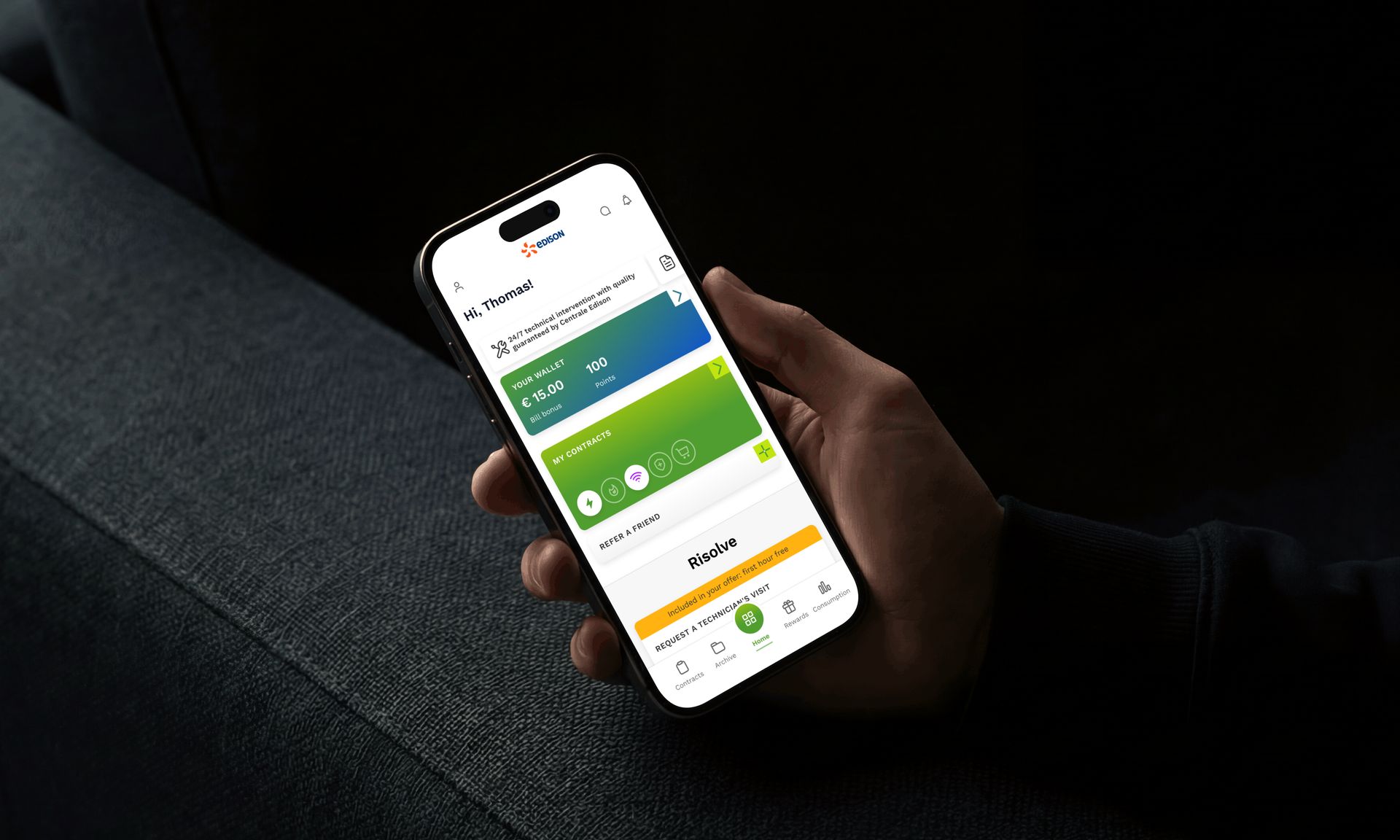
Screens of the Risolve service centre, mobile and desktop, with the extensions around it.

Edison, Risolve

Offering solutions as an ecosystem

Home services sold next to the energy bill. We put the supply at the centre and turned the services into extensions around it.

Stage
Enterprise
Project
Product design
Year
2024
Mentions
ADI Design Index 2025
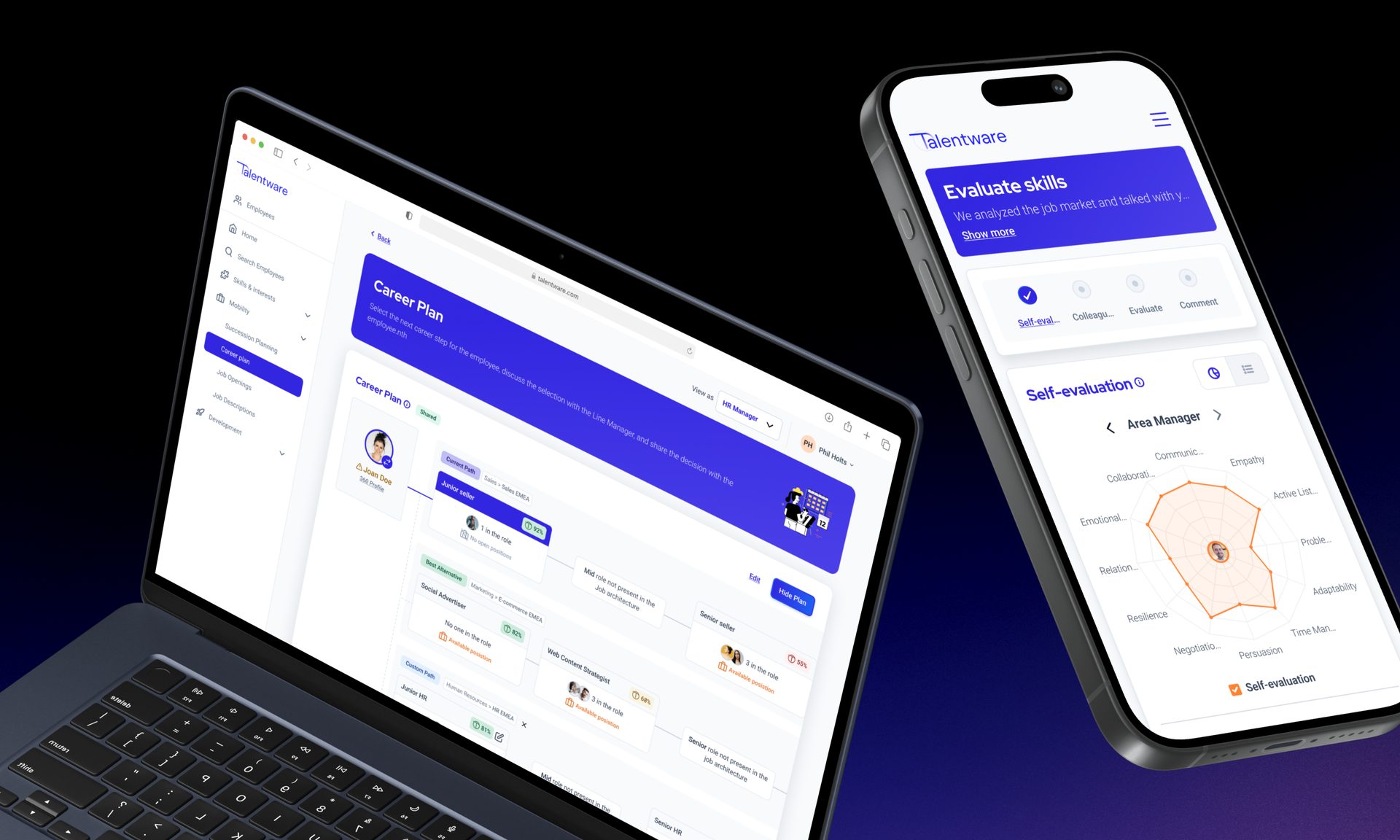
The Talentware career plan on a laptop next to the skills evaluation on a phone.

Talentware

Turning customer feedback into a product strategy

The roadmap was written by whatever was asked last. We put in the missing piece: who decides, and on what criterion.

Stage
Scale-up
Project
Product strategy, Design governance, Design system
Year
2024 to 2026
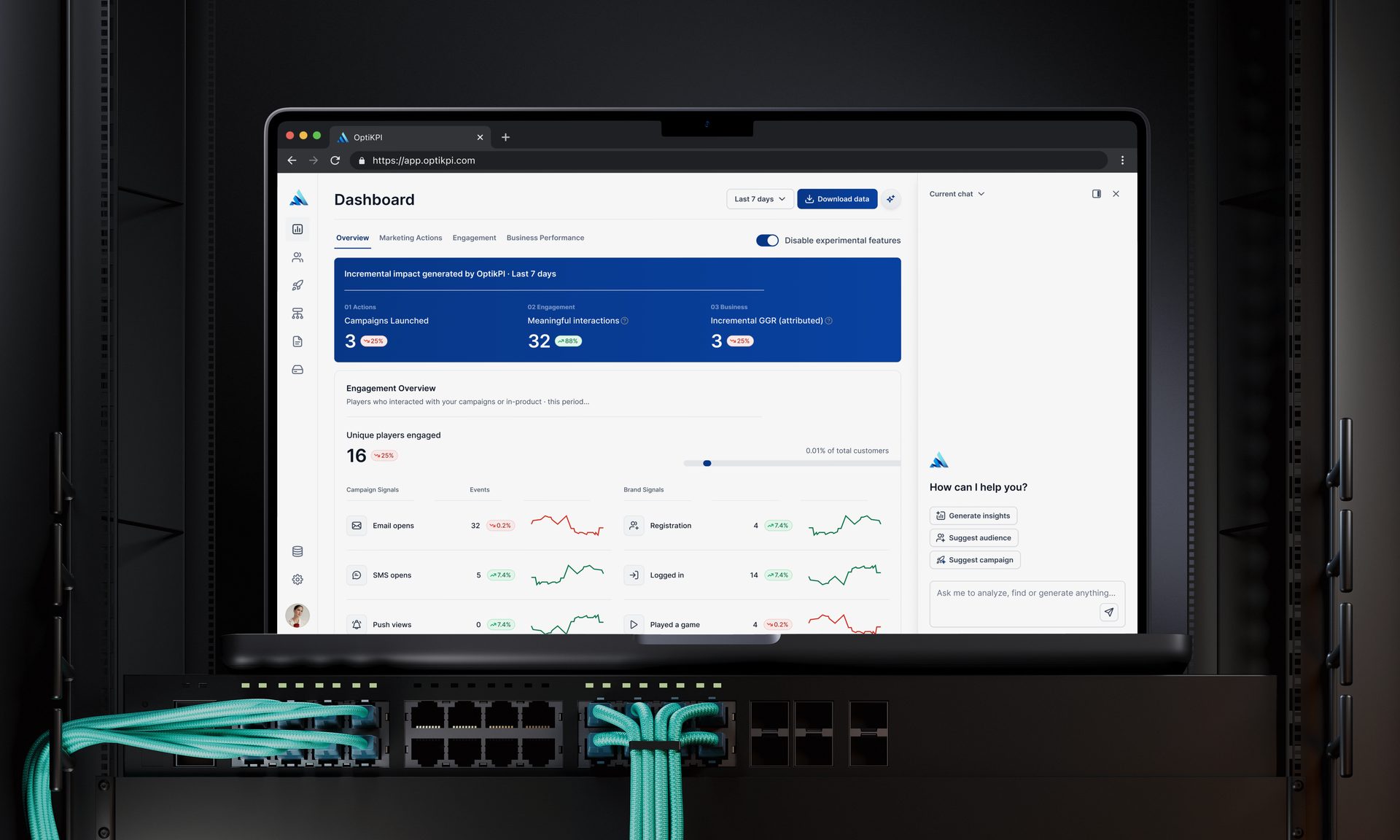
The OptiKPI 2.0 dashboard open in a browser on a laptop standing in a server rack.

OptiKPI

Flattening the learning curve with agentic AI

The MVP had reached the end of what its structure allowed. With the founder we chose to rebuild rather than patch.

Stage
Scale-up
Project
Product strategy, Product design
Year
2024 to 2026

Approach

Strategy consulting on one side of the table, product design on the other

Product decisions rarely fail in the room where they are taken. They fail on the way to the screen, because the person who writes the business case and the person who designs the flow are almost never the same one.

I have been both. Two and a half years at Bain & Company, Vector practice, then independent since January 2024. It is why an audit with me ends in a roadmap a board can read and requirements engineering can build from, instead of a deck that stays a deck.

Start with a conversation, not a brief

Thirty minutes, three questions: the deadline your team cannot carry, who decides and on what budget, what happens if nothing changes.

  1. A 30 minute call, three questions.

  2. A one page proposal within 48 hours: scope, duration, price, what is excluded.

  3. Work starts on a written scope, never on a verbal yes.

Book the call